
Disc Bulge & Herniation Relief Without Surgery: How Apex’s Three-Prong Approach Helps You Heal
Back pain caused by a disc bulge or herniation can be alarming — especially when you're told surgery might be the only answer. But here’s the good news: most disc injuries do not require surgery. Research shows that conservative care is highly effective for reducing pain, restoring mobility, and helping discs heal naturally.
(NINDS – Herniated Disc Fact Sheet)
At Apex Sports Medicine in Leander, we use a proven three-prong approach to help patients recover from disc bulges and herniations without relying on medication, injections, or invasive procedures. Our focus is on restoring movement, reducing inflammation, and helping you return to normal activity safely.
Understanding Disc Bulges & Herniations (in Simple Terms)
Understanding Disc Bulges & Herniations (in Simple Terms)
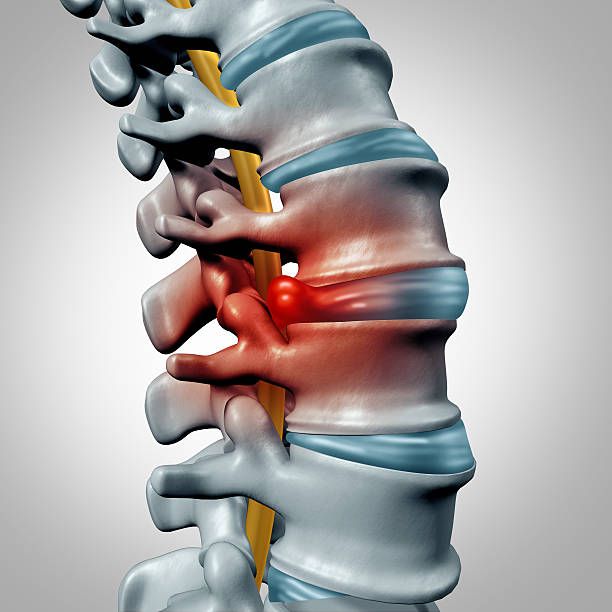
A disc bulge happens when the disc begins to extend outward, while a herniation occurs when the inner disc material pushes through and irritates nearby nerves.
(Mayo Clinic – Herniated Disk Overview)
Common symptoms include:
Lower-back pain
Sciatica
Tingling or numbness
Reduced mobility
Pain with sitting or lifting
Most patients recover fully with conservative care.
(National Library of Medicine – Natural History of Disc Herniation)
Why Conservative Care Works So Well
Studies show that many disc bulges and herniations improve within weeks to months without surgery, as inflammation decreases and the body reabsorbs disc material.
(BMJ – Lumbar Disc Herniation & Conservative Care)
Proper mobility, controlled loading, and soft tissue care speed the healing process and reduce recurrence.
Apex’s Three-Prong Approach to Disc Injuries
Our integrated care system addresses every layer of disc-related pain: joints, muscles, nerves, and movement patterns. Each therapy enhances the others for faster, more complete recovery.
1. Chiropractic Adjustments: Restore Motion Without Stressing the Disc
Gentle, controlled adjustments help improve joint mobility, decrease nerve pressure, and restore proper biomechanics.
Research supports spinal manipulation as an effective non-surgical option for disc-related back pain.
(Spine Journal – Spinal Manipulation for Lumbar Disc Herniation)
Apex clinicians use low-force techniques to avoid excessive rotation and prioritize disc-safe motion.
2. Soft Tissue Therapy: Reduce Pressure & Calm Irritated Nerves
Muscles surrounding an injured disc often spasm or tighten, increasing pressure on nerves. Soft tissue therapy helps:
Reduce muscle guarding
Improve circulation
Ease tension on the spine
Reduce sciatic irritation
Dry needling has been shown to decrease muscle hyperactivity and reduce pain.
(Journal of Orthopaedic & Sports Physical Therapy – Dry Needling & Low Back Pain)
This makes it an excellent tool for disc-related cases where nerve irritation is present.
3. Rehab & Corrective Exercises: The Key to Long-Term Recovery
Research consistently shows that exercise-based rehabilitation is one of the most important components of disc recovery.
(Cochrane Review – Exercise Therapy for Low Back Pain)
At Apex, rehab focuses on:
Core stabilization
Hip mobility
Safe bending/lifting mechanics
Long-term movement pattern correction
These changes reduce the mechanical stress that contributed to the disc injury in the first place and prevent future flare-ups.
Why This Integrated Approach Works
Disc injuries are influenced by joint mechanics, muscle tension, inflammation, and movement habits. Addressing just one of these factors isn’t enough.
Our three-prong system works because:
Adjustments improve joint motion → reducing disc stress
Soft tissue therapy reduces muscle tension → relieving nerve pressure
Rehab exercises restore healthy movement → preventing re-injury
This combination reflects the best-supported conservative treatment model in current spine research.
(The Lancet – Best Practices for Low Back Pain)
When Is Surgery Actually Needed?
Surgery is only necessary in rare cases, typically when there are:
Severe or worsening neurological deficits
Loss of bowel/bladder control
Symptoms unresponsive to months of quality conservative care
Less than 5–10% of disc herniations fall into this category.
(Orthopedic Clinics of North America – Indications for Lumbar Disc Surgery)
For most people, the body is capable of healing — when guided correctly.
Who Benefits From Apex’s Conservative Disc Care?
Our approach is ideal for:
Disc bulges
Disc herniations (non-surgical)
Sciatica
Pinched nerves
Low-back stiffness with leg symptoms
Each treatment plan starts with a detailed movement assessment so we can target the root cause of your condition.
Ready to Recover Without Surgery?
Disc pain can feel overwhelming, but you are not stuck with it.
At Apex Sports Medicine in Leander, we help patients get out of pain, restore movement, and return to an active lifestyle using a safe, proven, multi-layered approach.
👉 Book your appointment today and begin your path to recovery.